Entry · Ref HFHZJ3Y4
Resin Furniture or Metal Furniture for Low Maintenance Patios
- Posted
- 2026-11-28
- Last amended
- 2026-11-28
- Account
- @openairrooms
Low maintenance patio furniture is less about finding something that never needs attention and more about choosing materials that suit the site. Resin and metal both have a place outdoors, but they behave differently in sun, rain, heat and daily use. The better choice usually depends on how the patio is used, how much care feels reasonable and what kind of wear is likely over time.
Resin furniture, including many pieces designed for patios, dining areas, pools, gardens and commercial spaces, is often chosen for its easy routine. A quick rinse, mild soap and a soft brush are usually enough for everyday dirt. Because resin does not need painting in the way some metal furniture does, small surface marks are less likely to turn into a larger upkeep job. It is a practical fit where chairs are moved often, stacked between uses or kept near pools where damp towels and splashes are common.
Metal furniture has a different appeal. Powder coated frames, aluminum, steel and wrought iron can look crisp and substantial, and metal can suit a patio with a more architectural feel. Weight can be a benefit in breezy spots, though it makes rearranging slower. The main concern is the finish. Chips, scratches and moisture buildup at joints can shorten the life of a piece if they are ignored. In coastal or poolside settings, salt and chlorine can be harsh on some finishes, so the exact metal and coating matter.
Comfort and everyday use
Comfort is not decided by material alone. Shape, seat depth, back angle, arm height and table height all affect how a set feels. Resin can be molded into curved seats, textured surfaces and lightweight forms that are easy to pull out and put back. In busy dining areas, that ease matters. stackable outdoor chairs can be stacked after a meal, moved by one person and stored with less fuss than heavier frames. Where seating changes often, that flexibility can shape the whole layout.
Metal chairs can also be comfortable, especially when they have well shaped seats, sling supports or cushions. The trade-off is that metal can feel hot in strong sun and cold in cool weather unless the design accounts for it. Resin also warms in sunlight, though many resin pieces keep a more even feel underfoot and at the touch point. Cushions can help either option, but they add another care task because fabric needs drying and storage during wet spells.
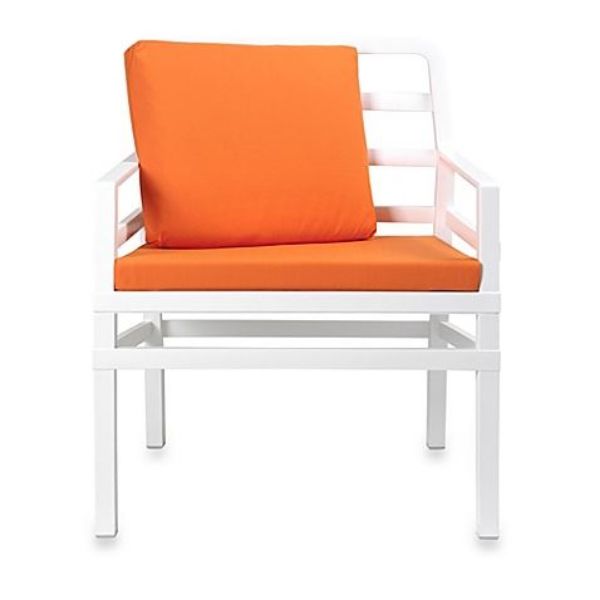
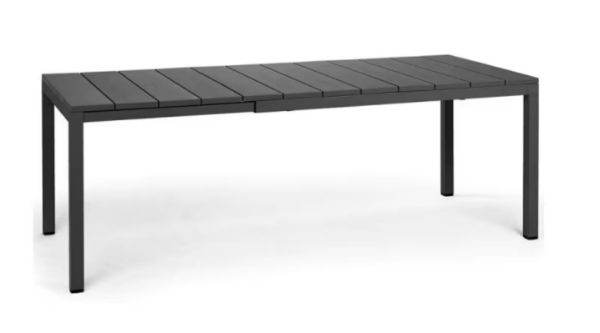
Table surfaces deserve the same attention as chairs. Resin tables tend to suit casual dining and poolside use, particularly where spills are routine. Metal tables can feel sturdy and refined, but edges, welds and coatings are worth checking. A table that wobbles or has rough spots will annoy people long before the material reaches the end of its life.
Weather exposure and local conditions
Sun is a major factor for outdoor furniture. UV exposure can fade color, dull finishes and make some plastics feel brittle over time. Quality varies widely, and darker colors may show heat and fading differently from lighter ones. Resin furniture is often made for outdoor use, but that does not make every resin piece equal. Thickness, surface finish and construction all influence how it ages.
Rain and humidity create another set of demands. Water that sits in seams, feet or frames can encourage stains and corrosion. Resin pieces with drainage holes and simple shapes tend to dry faster. Metal frames need more careful attention at welds, bolt points and the underside of tabletops. If water regularly collects on a patio, raised feet and open designs are useful for both materials.
Winter storage is worth considering before a purchase. Even furniture rated for outdoor use can last longer when it is protected from harsh seasonal conditions. Protective covers can reduce dust, sap, bird droppings and prolonged wetness, though they need to fit well and allow airflow. Loose covers that trap moisture may cause more harm than no cover at all. In colder areas, moving smaller pieces under cover during the harshest months may be simpler than trying to protect a full set in place.
Maintenance differences that show up over time
Resin upkeep is usually straightforward. Dust and loose grit can be rinsed away, then stubborn marks treated with mild soap and a soft brush. Crevices still need attention, especially around slats, armrests and stacking points. The aim is to remove grit before it grinds into the surface and to keep drainage areas clear. Occasional checks of legs, caps and fittings help catch damage before it affects stability.
Metal upkeep is more condition based. A frame may look fine from a distance while a small chip at a joint allows moisture in. Coated steel needs particular care where the coating is broken. Aluminum resist rust but can still suffer from surface oxidation or finish wear. Wrought iron can be long lasting when its protective finish is maintained. Once corrosion takes hold, the repair is more involved than routine cleaning.
This is where outdoor furniture replacement parts become relevant to both material choices. Chairs, tables and loungers may outlive individual components. Glides, caps, feet, slats, cushions, bolts and hardware can wear or go missing. Resin pieces may need a replacement foot, seat component or fitting after heavy use. Metal pieces may need a specific bolt, cap or coated part that matches the original frame. Before choosing a set, it is worth asking whether common parts are replaceable and whether the design uses standard hardware or proprietary pieces.
Space, storage and flexibility
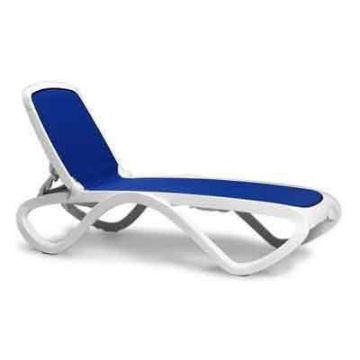
A small patio asks different questions from a large terrace or commercial dining area. Resin is often easier to move, stack and rearrange, which helps when one space serves several purposes. stackable outdoor chairs are useful in settings where seating appears only at certain times, then needs to be cleared for cleaning, events or storage. Stacking capacity also matters if chairs are stored in a shed, garage or designated corner. A stack that looks neat but is hard to lift defeats the purpose.
Metal furniture can work well where the layout stays put. A heavy dining set on a level patio may feel stable and intentional. Folding metal chairs offer some flexibility, though hinges and moving parts add places for dirt and moisture to collect. Stackable metal designs exist too, but their weight and frame shape can make stacking less convenient than resin models.
Traffic patterns matter as much as square footage. A poolside seating area needs chairs that tolerate wet feet and sunscreen. A garden table near soil may collect grit and plant debris. A busy restaurant patio needs pieces that can be wiped, moved and inspected quickly. Low maintenance does not mean no maintenance, it means the care required fits the routine already in place.
Appearance and long term fit
Resin has a broad visual range, from simple molded forms to pieces that mimic woven textures or cleaner modern profiles. It tends to read as relaxed and practical, which suits casual patios, pool decks and family spaces. Metal can lean formal, industrial or classic depending on the frame and finish. It often pairs well with glass, stone and wood decking when the goal is a sharper look.
Color also affects upkeep. Light tones can show dirt more visibly, while dark tones may show dust, heat and fading in different ways. Neutral colors tend to blend with more surroundings, which makes future additions easier. If a set may grow over time, choosing a style with available matching pieces or replaceable components can prevent a mismatched patio later.
Budget decisions should include the full picture, not just the initial piece. A lighter chair that is easy to clean and repair may be more useful than a heavier one that needs finish work. A metal frame with durable coating and accessible parts may be a better long term fit than a resin piece with thin edges and poor drainage. The practical winner is the option that matches the site, the user and the level of care that will actually happen.
Which option suits which patio
Resin tends to suit patios where furniture is moved often, cleaned quickly and exposed to pool splashes or garden dust. It is a sensible match for spaces that need adaptable seating, easy stacking and fewer finishing concerns. For renters, seasonal spaces, busy households and commercial settings with frequent turnover, that combination is hard to ignore.
Metal tends to suit patios where stability, structure and a tailored look matter most. It works best when the owner is willing to inspect finishes, deal with small chips and keep joints dry. In sheltered areas with careful placement, metal can remain attractive for years without demanding much beyond routine cleaning and occasional checks.
Many patios end up using both. A metal dining set can anchor one zone, while resin loungers or side chairs serve the pool and garden. That approach lets each material do what it does best. The key is to avoid choosing on appearance alone. Think about sun, rain, storage, cleaning habits, replacement parts and how often the furniture will move. Low maintenance is really a match between material and routine, not a promise written into a product category.